
In biology, immunity is the state of having sufficient biological defenses to avoid infection, disease, or other unwanted biological invasion. It is the capability of the body to resist harmful microbes from entering it.
The non-specific components act either as barriers or as eliminators of wide range of pathogens irrespective of antigenic specificity
The components of the immune system adapt themselves to each new disease encountered and are able to generate pathogen-specific immunity.
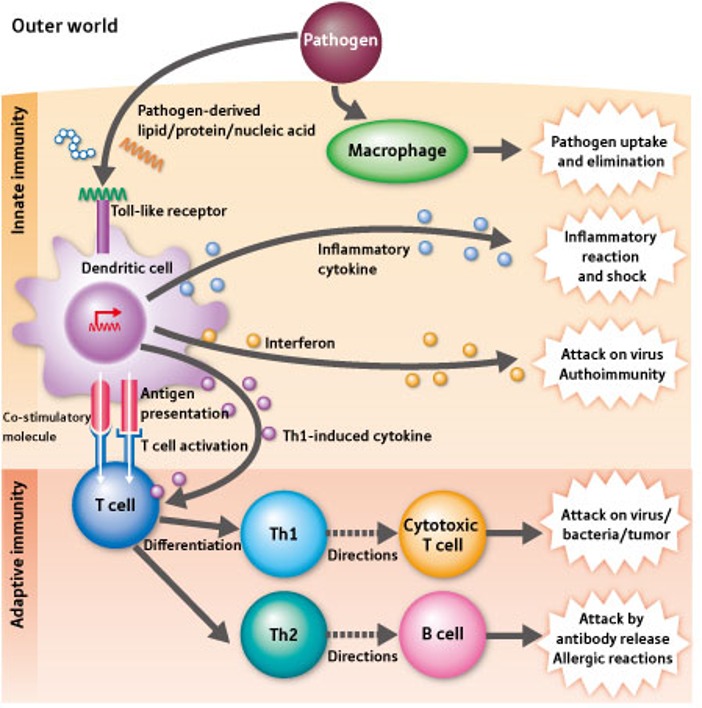
Innate or nonspecific immunity is the natural resistances with which a person is born. It provides resistances through several physical, chemical and cellular approaches. Microbes first encounter the epithelial layers, physical barriers that line skin and mucous membranes. Subsequent general defenses include secreted chemical signals (cytokines), antimicrobial substances, fever, and phagocytic activity associated with the inflammatory responses. The phagocytes express cell surface receptors that can bind and respond to common molecular patterns expressed on the surface of invading microbes. Through these approaches, innate immunity can prevent the colonization, entry and spread of microbes.
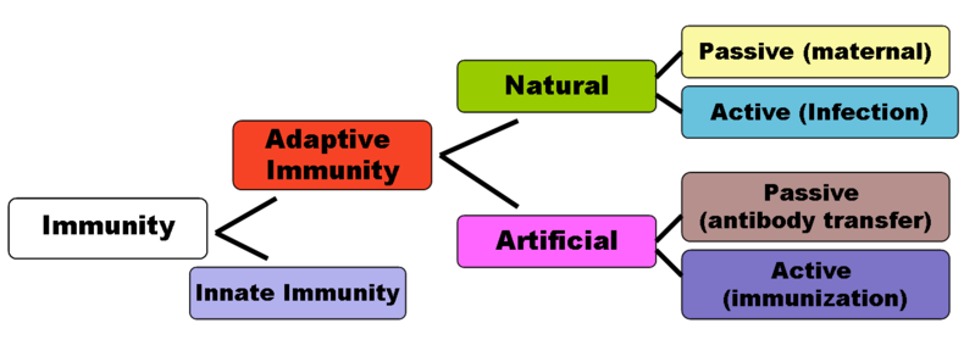
Adaptive immunity
Adaptive immunity is often sub-divided into two major types depending on how the immunity was introduced.
Naturally acquired immunity
Passive immunity:
Passive immunity is the transfer of active immunity, in the form of readymade antibodies, from one individual to another. Passive immunity can occur naturally, when maternal antibodies are transferred to the fetus through the placenta, and can also be induced artificially, when high levels of human (or horse) antibodies specific for a pathogen or toxin are transferred to non-immune individuals. Passive immunization is used when there is a high risk of infection and insufficient time for the body to develop its own immune response, or to reduce the symptoms of ongoing or immunosuppressive diseases. Passive immunity provides immediate protection, but the body does not develop memory, therefore the patient is at risk of being infected by the same pathogen later.
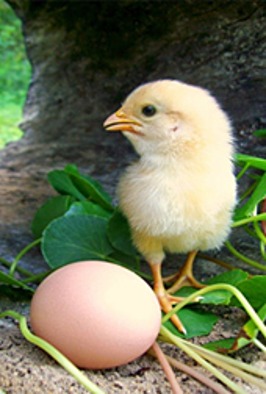
Active Immunity:
When B cells and T cells are activated by a pathogen, memory B-cells and T- cells develop. Throughout the lifetime of an animal these memory cells will “remember” each specific pathogen encountered, and are able to mount a strong response if the pathogen is detected again. This type of immunity is both active and adaptive because the body’s immune system prepares itself for future challenges. Active immunity often involves both the cell-mediated and humoral aspects of immunity as well as input from the innate immune system
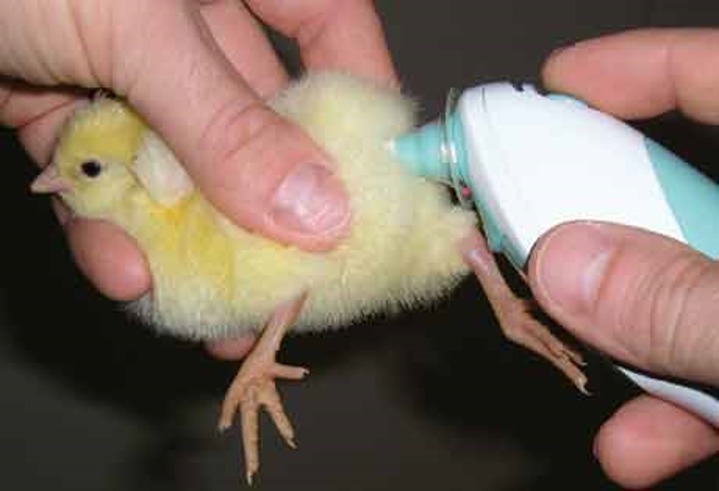
History of Vaccines:
The term vaccination was coined by Edward Jenner and adapted by Louis Pasteur for his pioneering work in vaccination. The method Pasteur used entailed treating the infectious agents for those diseases so they lost the ability to cause serious disease. Pasteur adopted the name vaccine as a generic term in honor of Jenner’s discovery, which Pasteur’s work built upon.
in 1807, the Bavarians became the first group to require that their military recruits be vaccinated against smallpox, as the spread of smallpox was linked to combat. Subsequently the practice of vaccination would increase with the spread of war.
Immunity through Nutrition:
Organic Minerals:
Trace Minerals, although required in small quantities, have a greater significance in productivity in Poultry. They are essential for many roles in the body including structural components (skin, bone), and as essential nutrients that promote optimized immune functions.
Among the several trace minerals supplemented to Poultry, the ones requiring special attention are Zinc, Manganese and Copper as they share in common some important functions like enhancing immune response, maintaining bone, skin and gut integrity and antioxidant effect.
Manganese plays an important role in collagen formation and bone growth.
Chick embryo tissues contain a high proportion of highly polyunsaturated fatty acids in the lipid fraction and therefore need antioxidant defence (Surai, 1999). It is well accepted that maternal diet composition is a major determinant of antioxidant system development during embryogenesis and in early postnatal development. The antioxidant system of the newly hatched chick includes the fat-soluble antioxidants, vitamin E and carotenoids, watersoluble antioxidants ascorbic acid and glutathione as well as antioxidant enzymes SOD, GSH-Px, catalase and selenium (Surai, 2002). Vitamin E and carotenoids are transferred from feed into egg yolk and further to embryonic tissues. Selenium content of the egg also depends on its concentration in the hen’s diet, and also on the form of dietary Se used, since organic Se is more efficiently deposited in the egg yolk (Surai, 2006). Therefore, inclusion of selenite or selenate in the diet is not the ‘natural’ situation and differences in assimilation, distribution and accumulation of Se in tissues depend on source of Se. Furthermore, main Se compound of selenized yeast,
Vitamin E:
Egg production, egg fertility and hatchability are among the most important economic traits for chicken breeder farms. Failure of health maintenance may cause great economic loss. Although mass vaccination against Newcastle disease (ND), infectious bursal disease (IBD) and infectious bronchitis (IB) has been practiced throughout the commercial poultry industry, outbreaks of those diseases still occur occasionally. Hence, vaccination responses and enhancement of immune system are matters of great concern.
Vitamin E is primarily known as an antioxidant in reducing cellular free radical damage. In addition, vitamin E may affect the development and maintenance of immunocompetence through multiple functions by acting directly on the immune cell or by indirectly altering metabolic and endocrine parameters, which in turn influence immune function (Gershwin et al., 1985). Vitamin E supplementation in mammals has been shown to increase production of interleukin (IL)-2, leading to enhanced proliferation of T cells, and reduce production of prostaglandin E, a T-cell suppressive factor, as a result of a decreased peroxynitrite formation (Meydani et al., 2005). The National Research Council (1994) recommended levels of vitamin E for breeder chickens are assessed ultimately in terms of reproductive performance, the allowance for optimal immunocompetence is not included. Dietary vitamin E was found to improve reproduction and antioxidant capability of breeder chickens (Lin et al., 2004; Lin et al., 2005a, b), but very few information is currently available on the effect of vitamin E supplement on the immune response. Considering vitamin E content in the ingredients, irrespective of degradation during storage, corn-soybean meal diet without supplemental vitamin E is supposed to meet or exceed the NRC (1994) recommended level of vitamin E.
Prebiotics :
yeast cell wall Mannan Oligosaccharides (Actigen)
Actigen, a commercial product derived from yeast cell wall mannan oligosaccharides, is added to poultry diets to promote intestinal health. Previous research suggested that the beneficial effects of Actigen are related to enhanced mucosal immunity. This study investigated the effects of dietary supplementation of Actigen on the gene expression profile of broilers, and gained insights on the mechanisms related to immunomodulatory activities. One-day old chicks were either fed a corn-soya based diet (Control) or a diet supplemented with 400g Actigen/ton for 42d. Jejunum samples were collected and used for gene expression analysis using an Affymetrix microarray system. Results indicated that 928 genes in the jejunum were significantly changed (P < 0.05, FC > 1.2) by Actigen. Gene ontology analysis indicated that a broad range of biological functions were associated with altered genes. More interestingly, pathway analysis suggests a strong connection between Actigen and upregulation of signaling pathways that are directly involved in cellular immune response, inflammatory response and antimicrobial response such as toll-like receptor signaling, interferon signaling and retinoic acid inducible protein-1(RIG1) receptor mediated innate immunity. Significant upregulation of such genes as toll-like receptor 3 (TLR3), myxovirus resistance 1 (MX1), interferon regulatory factor 7 (IRF7), suppressor of cytokine signaling 1 (SOCS1) and downregulation of ADP-ribosyltransferase (CHAT2) further indicate that Actigen has modulatory effects on the intestinal immune system.
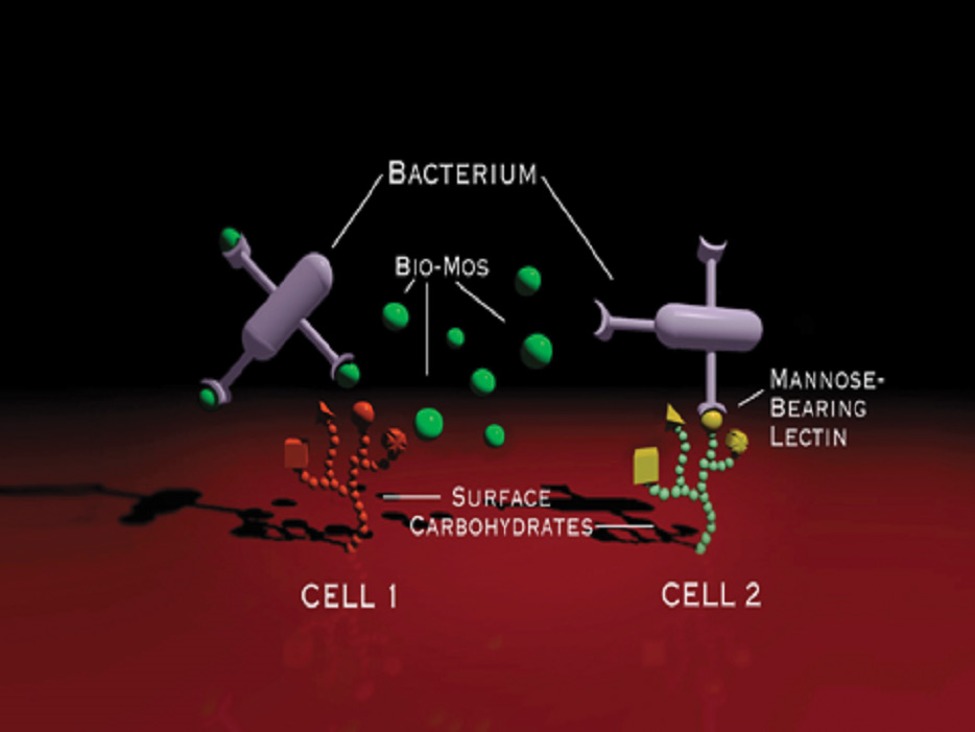
Probiotics
In animal nutrition, probiotics are defined as viable micro-organisms used as feed additives, which lead to beneficial effects for the host by improving its microbial balance (Fuller, 1989) or the properties of the indigenous microflora (Havenaar and Huis In ’t Veld, 1992). A variety of microbial species have been used as probiotics, including species of Bacillus, Bifidobacterium, Enterococcus, Escherichia, Lactobacillus, Lactococcus, Streptococcus, a variety of yeast species, and undefined mixed cultures. Lactobacillus and Bifidobacterium species have been used most extensively in humans, whereas species of Bacillus, Enterococcus, and Saccharomyces yeast have been the most common organisms used in livestock (Simon et al., 2001). There has been an increase in research on feeding Lactobacillus to broiler chickens (Jin et al., 2000; Kalavathy et al., 2003). The possible modes of action of probiotics were extensively reviewed (Jin et al., 1997; Simon et al., 2001; Ghadban, 2002; Edens, 2003). Two basic mechanisms by which probiotics act to maintain a beneficial microbial population include “competitive exclusion” and immune modulation. Competitive exclusion involves competition for substrates, production of antimicrobial metabolites that inhibit pathogens, and competition for attachment sites. Based on this mechanism, probiotics have been tested for their efficacy at controlling Salmonella colonization in broilers and the results are positive and consistent
Symbiotics
A symbiotic is, in its simplest definition, a combination of probiotics and prebiotics(Collins and Gibson, 1999; Schrezenmeir and De Vrese, 2001). This combination could improve the survival of the probiotic organism, because its specific substrate is available for fermentation. This could result in advantages to the host through the availability of the live micro-organism and the prebiotic. Bengmark (2001) regards symbiotics as products of fermentation. Since in mixtures of pre- and probiotics, the prebiotics will be fermented when the appropriate choice of products is used, this definition may also be plausible. Examples of symbiotics are FOS and bifidobacteria, and lactitol and lactobacilli (Collins and Gibson, 1999). Bailey et al. (1991) used a combination of FOS and competitive exclusion flora to reduce Salmonella colonization in chickens. The combination was more effective in reducing Salmonella colonization than FOS or competitive probiotic alone. While applying the combination of FOS and bacillus to a corn-soybean basal diet, Li et al. (2008) observed that average daily gain (ADG) and FCR were improved by 6% and 2 %, respectively; diarrhoea and mortality rate were reduced by 58% and 67%, respectively, which were very comparable to aureomycin treatment (the relative changes are 4% for ADG, 2% for FCR, 69% for diarrhea rate and 33% for mortality rate). To our knowledge, this is the only experiment published regarding the growth-promoting effects of symbiotic in broiler chickens thus far. Therefore more research is warranted on this kind of products in order to achieve the application significance in the industry.
Phytobiotics
Plant products have been used for centuries by humans as food and to treat ailments. Natural medicinal products originating from herbs and spices have also been used as feed additives for farm animals in ancient cultures for the same length of time. To differentiate from the plant products used for veterinary purposes (prophylaxis and therapy of diagnosed health problems), phytobiotics were redefined by Windisch and Kroismayr (2006) as plant-derived products added to the feed in order to improve performance of agricultural livestock. Around the world, phytobiotics have been investigated as natural sources of biologically important chemicals since efforts are being made to ban all types of IFAs in many countries. Compared with synthetic antibiotics or inorganic chemicals, these plant-derived products have proven to be natural, less toxic, residue free, and are thought to be ideal feed additives in food animal production (Wang et al., 1998).
Fibre-degrading enzymes
Enzymes are naturally occurring and are produced by all living organisms for catalyzing chemical reactions. Enzymes were discovered in the later part of the 19th century and have been used in industry and food processes since the early 1900s (Clarkson et al., 2001). The majority of enzyme products are fermentation products of basophilic microorganisms (Clarkson et al., 2001). Ferket (1993) defined enzymes as special proteins that catalyse or accelerate the rate of specific chemical reactions in which the enzyme activity may be dependent on the substrate in a random manner or it may be through very specific sites on substrates such as fat, protein, or carbohydrates. In monogastric animal diets, exogenous enzymes are used to improve digestibility of a wide range of feed components such as fibre, phytate, protein, etc. Fibre-degrading enzymes are used to break down specially non-starch polysaccharides (NSP), which are large polymers, to The effects of enzymes on gut microflora were classified by Bedford (2000) into two phases: an ileal phase and a caecal phase. In the ileum, enzymes simply reduce the number of bacteria by increasing the rate of digestion and limiting the amounts of substrates available to the microflora. In the caecal phase, enzymes produce soluble, poorly absorbed sugars which feed beneficial bacteria. The volatile fatty acids (VFAs) produced by such bacteria may be of benefit not only in controlling populations of Salmonella, and perhaps, Campylobacter species, but also in providing an energy source for the bird (Snel et al., 2002).
204A, Dream Gardens off Defense Road, Lahore, Pakistan
+92 3004126303 | +92 3464645879
info@nutriagrow.com
Connect with our team to find the right nutrition and farm solutions.

Copyright 2026. All Rights Reserved | Powered by Vision Plus